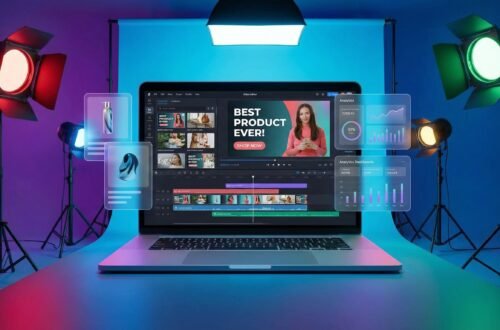
User-generated content (UGC) has transformed how eCommerce brands build trust and drive conversions. Instead of overly polished commercials, shoppers now respond to relatable, authentic videos that feel native to platforms like Instagram, TikTok, and YouTube Shorts. From product reviews and unboxings to testimonial-style ads, UGC videos bridge the gap between brands and buyers.
For online stores, this shift creates both an opportunity and a challenge. Producing consistent, high-performing UGC at scale requires the right technology. That’s where modern UGC video creator tools step in—combining AI scripting, avatars, voiceovers, and editing workflows to streamline production without sacrificing authenticity.
Below are seven powerful tools helping eCommerce businesses create scroll-stopping UGC videos efficiently.
1. Invideo
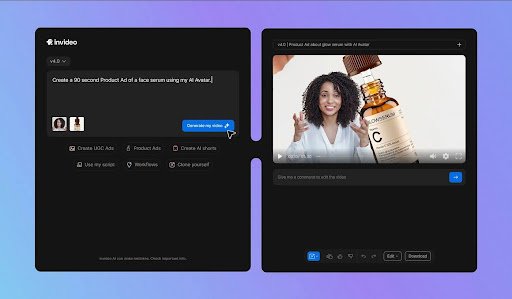
When it comes to scaling UGC-style ads quickly, invideo is often one of the first platforms eCommerce teams explore. Designed to simplify video production, it combines AI scripting, automated scene generation, product-focused visuals, and voiceovers in a streamlined workflow.
For brands specifically looking for a ugc video creator, invideo offers tools that handle much of the heavy lifting—structuring hooks, generating persuasive scripts, styling scenes for social platforms, and arranging product shots in engaging formats. Instead of building everything manually, marketers can move from idea to ready-to-publish content in significantly less time.
Why It Works for eCommerce
- AI-generated hooks and scripts tailored to product benefits
- Built-in support for vertical and short-form formats
- Automated scene sequencing to maintain viewer attention
- Voice cloning and natural-sounding narration
For growing stores, this kind of automation reduces creative bottlenecks. Rather than coordinating multiple freelancers, brands can experiment with new angles, offers, and messaging rapidly.
In fact, many teams treat it as their go-to AI video maker app when they need fast turnaround for seasonal campaigns, product drops, or paid ad testing. The goal isn’t cinematic perfection—it’s relatable, conversion-driven content that feels organic in-feed.
2. CapCut
Originally popular among TikTok creators, CapCut has evolved into a versatile editing tool for brands. It offers intuitive editing, AI-generated captions, motion effects, and easy mobile workflows.
Strengths for UGC Content
- Quick trimming and jump cuts
- Auto-captions for accessibility and engagement
- Built-in effects optimized for social trends
- Easy mobile editing for on-the-go creators
For eCommerce brands working with influencers or in-house content teams, CapCut helps maintain that raw, authentic aesthetic that defines effective UGC.
3. Descript
Descript takes a unique approach by letting users edit video through text. Once footage is uploaded, it generates a transcript that you can modify to cut or rearrange scenes.
Why eCommerce Brands Use It
- Edit video by editing text
- AI voice cloning for corrections
- Screen recording for product demos
- Filler-word removal for cleaner messaging
For testimonial-style UGC or founder-led content, Descript makes it easy to polish videos while preserving authenticity.
4. Runway
Runway focuses heavily on AI-powered visual editing. Its advanced tools are especially helpful when enhancing user-submitted content or upgrading basic product shots.
Key Capabilities
- AI background removal
- Object cleanup
- Visual enhancements
- Generative video elements
For eCommerce brands receiving raw UGC footage from customers or creators, Runway can elevate quality without making the content look overly produced.
5. Pictory
Pictory is known for turning scripts or blog content into short videos. While not exclusively built for UGC, it can be adapted for testimonial-style ads or educational product explainers.
Best Use Cases
- Converting product descriptions into short videos
- Creating educational content for landing pages
- Repurposing blogs into video snippets
For brands with strong written content, Pictory bridges the gap between text marketing and video engagement.
6. HeyGen
HeyGen specializes in AI avatars that can deliver scripted messages in a natural, conversational tone. For brands that lack on-camera talent, this can be a scalable alternative.
Advantages for eCommerce
- AI avatars in multiple languages
- Consistent on-camera presence
- Fast localization for global markets
- Simple script-based production
Avatar-driven UGC can work well for explainer-style ads, especially when testing new audiences across regions.
7. Lumen5
Lumen5 is another platform that transforms written content into engaging videos. It’s often used for social media marketing and brand storytelling.
Why It Fits UGC Workflows
- Drag-and-drop editing
- Social-ready aspect ratios
- Stock visuals and motion graphics
- Simple repurposing of existing content
For eCommerce brands looking to expand into educational or awareness-driven content, Lumen5 supports quick video creation without a steep learning curve.
How to Choose the Right UGC Video Creator Tool
Selecting the right platform depends on your specific goals:
1. Are You Focused on Paid Ads?
Look for strong hook generation, short-form optimization, and script automation.
2. Do You Need Multilingual Reach?
AI avatars and voice localization features become important.
3. Are You Repurposing Existing Content?
Text-to-video functionality and blog conversion tools will be valuable.
4. Do You Want Maximum Authenticity?
Mobile-first editors and lightweight effects often preserve the organic feel audiences expect.
Why UGC Tools Matter More Than Ever
Modern consumers trust people more than brands. According to multiple marketing studies, UGC-style ads consistently outperform traditional polished commercials in engagement and click-through rates.
For eCommerce businesses, this means:
- Faster creative testing
- Lower production costs
- Higher relatability
- Better conversion potential
Instead of spending weeks producing a single video, brands can now test multiple variations in days. AI-powered platforms reduce friction in scripting, editing, voiceovers, and publishing—freeing teams to focus on strategy and growth.
Final Thoughts
The rise of short-form social video has made UGC an essential part of any eCommerce marketing strategy. Whether you’re a startup testing your first paid ads or an established brand scaling globally, the right UGC video creator tool can dramatically impact both speed and performance.
From AI-assisted scripting and avatars to text-driven editing and background enhancement, today’s tools offer more flexibility than ever. The key is choosing a platform that aligns with your workflow, budget, and creative goals.
As competition intensifies across social feeds, brands that can produce authentic, high-volume UGC content consistently will stand out. Investing in the right technology isn’t just about convenience—it’s about staying relevant in a market where attention is everything.